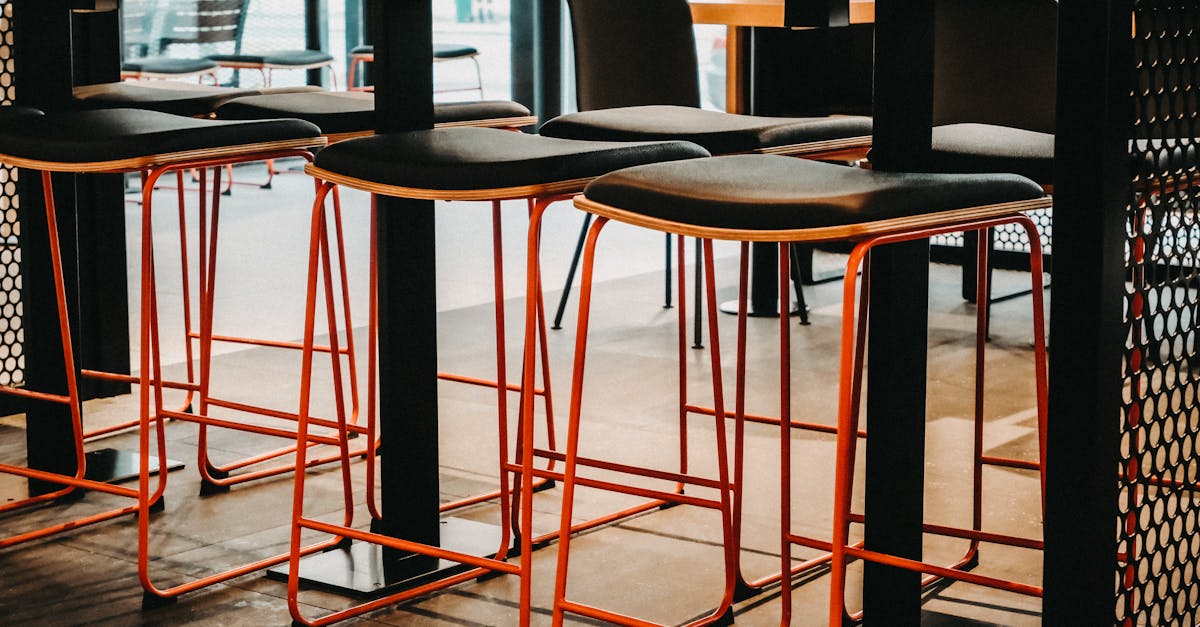
Setting up an alfresco area for a Queensland café or bar usually starts with a deceptively simple decision, what to put at the counter. The right outdoor stools handle salt air, summer sun, and the steady churn of patrons sliding in and out for hours, while still matching the look of the space. Counter heights, material choice, and ergonomics all factor in, and getting any of them wrong tends to show up quickly in either guest comfort or replacement costs. This guide walks through how to measure your space, pick weather-ready materials, and keep stools looking sharp season after season.
Key Takeaways
- Choosing the right outdoor stools involves measuring your space carefully, ensuring seat heights provide 23 to 33 cm clearance for comfort.
- Opt for weather-resistant materials like polymer, cast aluminium, or synthetic wicker for durability in Queensland’s outdoor climates.
- Select stool designs that complement your outdoor décor while considering ergonomic features such as backrests and armrests for prolonged comfort.
- Regular maintenance, including gentle cleaning and protective treatments, extends the lifespan and appearance of outdoor stools.
- Investing in quality outdoor stools tailored to your specific needs balances cost with long-term durability and guest satisfaction.
- Ensuring stools fit the intended use and environment maximises functionality and style in your alfresco area.
Assessing Your Outdoor Space and Needs
Before purchasing outdoor stools, carefully assess the dimensions and usage of your outdoor area. Accurate measurement of floor-to-counter height is crucial: counter-height stools generally fit counters around 90 cm tall, while bar-height stools suit counters near 105 cm. Aim for a seat height that allows 23 to 33 cm clearance from the underside of the counter for comfortable legroom. Also, ensure that each stool offers 53 to 61 cm of width for ease of movement, this space prevents crowding and allows guests to slide stools in and out without difficulty.
Consider the environmental exposure of the space. A fully exposed area will demand weather-resistant materials, whereas partially or fully covered zones grant more flexibility in material selection and maintenance requirements. Also reflect on how the stools will be used: for full dining service, casual drinks, or occasional seating. This influences whether you need stools with backrests or armrests, or if simple backless stools will suffice. Such prioritisation contributes to both the comfort and functionality tailored to your outdoor setting.
Selecting the Right Materials for Weather Resistance
Choosing materials that withstand Queensland’s varied outdoor conditions is fundamental. For fully exposed or coastal settings, options like polymer, cast aluminium, or synthetic wicker provide excellent resistance to rust, corrosion, and UV damage, alongside minimal upkeep. These materials are favourites among Cafe Solutions clients looking for long-lasting durability without heavy maintenance.
If the space is partially covered, powder-coated aluminium and treated synthetic wicker remain practical choices, while some hardwoods can also be considered with proper sealing. For sheltered or semi-outdoor areas, hardwoods such as teak, acacia, or white oak offer a natural aesthetic and robust service life, but they require more diligent care and protection from moisture.
In cases where stools might move between indoor and outdoor use, weather-resistant synthetic fibres and specially treated teak can resist cracking and fading, maintaining their appearance over time. Selecting materials adapted to your specific exposure ensures your outdoor stools remain attractive and functional season after season.
Design and Style Considerations for Outdoor Stools
The design of your outdoor stools should complement your overall outdoor décor scheme, enhancing visual cohesion and atmosphere. For contemporary settings, opt for stools featuring clean lines, neutral tones, and metal finishes that reflect sleek minimalism. Traditional styles benefit from stools in earthy colours with weathered or rustic finishes to blend naturally with outdoor surroundings.
Coastal or tropical themes often call for light woods paired with blues, greens, and sandy colours, evoking relaxed seaside vibes popular in Queensland café patios. Backless stools excel when space is limited, they slide easily under counters and keep areas unobstructed, although they offer less support for longer seating.
Be mindful of layout harmony: avoid placing bar-height stools directly beside low-slung sofas, as mismatched heights can disrupt visual balance and guest comfort. A thoughtful design approach ensures your seating not only looks inviting but functions seamlessly within your outdoor environment.
Ensuring Ergonomic Comfort for Prolonged Use
Outdoor stools that prioritise comfort encourage guests to linger longer. For extended seating, backrests and armrests provide critical support, reducing strain and improving posture. This consideration is especially relevant in hospitality settings where customers might spend substantial time seated.
Swivel stools improve accessibility and movement, making them ideal for compact or busy café layouts, allowing patrons to turn comfortably without standing. Upholstered or padded seats further increase comfort levels: but, choosing fabrics rated for outdoor use is essential to resist moisture, mould, and sun damage. High-quality, easy-to-clean materials also help swift maintenance, sustaining a pleasant seating experience even under frequent use.
Maintenance Tips to Enhance Durability
Proper maintenance extends your stools’ lifespan and keeps them looking fresh. For synthetic wicker, resin, and metal stools, routine cleaning with mild soapy water followed by rinsing and drying is sufficient to remove dirt and prevent degradation. Avoid harsh chemicals that could damage protective coatings.
Wooden stools, like those made from teak or similar hardwoods, benefit from regular cleaning and occasional oiling to maintain their natural colour and resistance to weathering. Left untreated, these woods develop a silver-grey patina which some find appealing but should be considered when aiming for a specific aesthetic.
Using protective covers during severe weather or when stools are not in use helps avoid unnecessary wear. Also, verify the weight capacity if stools double as side tables, ensuring they remain safe and sturdy under varied uses. These habits combined preserve both the furniture’s functionality and appearance, making them sound investments for outdoor hospitality spaces.
Budgeting for Quality Without Compromise
Investing in good-quality outdoor stools yields value through durability and guest comfort, reducing frequent replacements. While higher-end materials and finishes may require greater initial outlay, their resistance to weathering and sustained performance generally justify the cost over time.
Focusing your budget on essential features, such as choosing materials that suit your exposure level, ensuring the proper height for counter compatibility, and securing comfortable seating, is often wiser than spending on decorative extras that offer limited practical benefit. This approach aligns well with the offerings from Cafe Solutions in Queensland, where cost-effective, reliable commercial furniture solutions meet the rigorous demands of hospitality use without compromising style or comfort.
About Cafe Solutions
Business: Cafe Solutions
Spokesperson: Russell Crawford
Position: Spokesperson
Phone: (07) 3184 8441
Email: sales@cafesolutions.com.au
Location: 12 Kingsbury St, Brendale QLD 4500
Website: https://cafesolutions.com.au/
Google Maps Link: https://maps.app.goo.gl/C5xB3pFdGpZLNruz9
Frequently Asked Questions about Choosing Outdoor Stools
How do I determine the right height for outdoor stools?
Measure your counter height: choose counter-height stools for counters about 90 cm tall and bar-height stools for counters near 105 cm. Ensure 23 to 33 cm clearance between the stool seat and counter underside for comfortable legroom.
What materials are best for outdoor stools in fully exposed Queensland environments?
Materials like polymer, cast aluminium, and synthetic wicker are ideal for fully exposed settings. They resist rust, corrosion, UV damage, and require minimal maintenance, making them perfect for Queensland’s varied weather.
Should I choose stools with backrests or backless stools for my outdoor café?
For longer seating comfort, stools with backrests and armrests are preferable. Backless stools suit smaller spaces and allow easy sliding under counters but offer less support for prolonged use.
How can I maintain wooden outdoor stools like teak to ensure durability?
Regular cleaning and occasional oiling keep teak stools’ natural colour and weather-resistance. Without treatment, they develop a silver-grey patina, which may suit some aesthetics but reduces wood protection.
What ergonomic features improve comfort for outdoor stools in hospitality settings?
Look for stools with backrests, armrests, and padded or upholstered seats using outdoor-rated fabrics. Swivel stools also enhance ease of movement in compact or busy areas, promoting prolonged guest comfort.
Is investing in high-quality outdoor stools worth the higher initial cost?
Yes. Quality stools made of durable, weather-resistant materials last longer and stay comfortable under heavy use, providing better value over time despite a higher upfront investment.