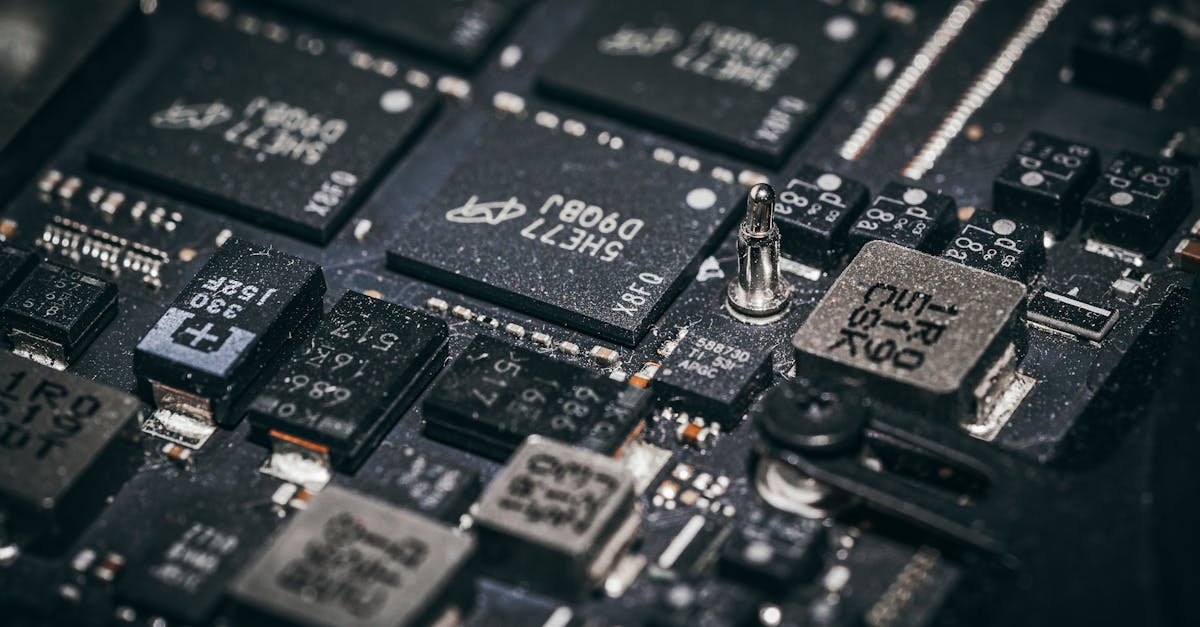
Semiconductor fabs run on tolerances that would seem impossible almost anywhere else, where a single submicron particle in the wrong place can wreck an entire wafer. That dependence on contamination control is why microelectronics filtration solutions keep evolving alongside the chips they protect, with HEPA filters, ultrafiltration membranes, and nanofiber media each handling a different slice of the purity challenge.
This article walks through the top technologies shaping clean manufacturing today.
Key Takeaways
- Filtration is essential in microelectronics manufacturing to remove microscopic contaminants that can damage semiconductor wafers and reduce product yield.
- Choosing effective filtration solutions requires filters with submicron micron ratings, chemical compatibility, high flow rates, and durable media quality.
- HEPA filters capture 99.97% of particles 0.3 microns or larger, maintaining critical cleanroom air purity for microelectronics assembly.
- Ultrafiltration systems enhance chemical purity by removing contaminants between 0.01 and 0.1 microns, vital for ultrapure water and chemical processing.
- Advanced filtration media like nanofiber layers improve efficiency by capturing ultrafine particles while maintaining airflow, extending filter life and cost-effectiveness.
- Future microelectronics filtration technologies will leverage IoT and AI for real-time monitoring and autonomous optimization, supporting the industry’s increasing purity standards.
Why Filtration Is Critical in Microelectronics Manufacturing
In microelectronics manufacturing, contamination control is non-negotiable. Microscopic particles, even down to submicron sizes, can cause defects in semiconductor wafers, reducing yield and reliability. Filtration safeguards these production steps by removing particulates, microorganisms, and chemical impurities from air, water, and process fluids. Techniques such as photolithography and chemical vapor deposition require ultra-clean environments: even minor contamination can cause circuit flaws or device failure. Pullner Filter, located in Shanghai’s Songjiang District, supports this need through its advanced cleanroom facilities and precise membrane technologies, delivering filtration solutions that meet stringent industry standards.
Criteria for Choosing Effective Filtration Solutions
Selecting effective filtration solutions in microelectronics hinges on several factors. Micron rating is crucial, it defines the smallest particle size a filter can capture, often requiring submicron or nanometer-level removal. Bacterial interception capabilities may be relevant for water used in final rinses. Chemical compatibility ensures filters withstand aggressive process fluids without degrading. High flow rates and low pressure drops maintain process efficiency. Durability and consistency in filter media quality, as available through Pullner Filter’s stable production lines, guarantee reliable performance over time. Eventually, filtration solutions must align precisely with the purity specifications and flow requirements of each manufacturing step.
High-Efficiency Particulate Air (HEPA) Filters in Cleanrooms
HEPA filters are fundamental for cleanroom air filtration, capturing 99.97% of particles 0.3 microns or larger. This efficiency is critical to maintaining particulate-free environments where microelectronics are assembled. Cleanrooms employing HEPA filters rely on tightly controlled airflow and filtration integrity to minimize airborne contamination. Pullner Filter’s expertise includes designing pleated membrane filter cartridges equipped within HEPA systems, ensuring consistent performance for clean manufacturing environments. Proper installation and maintenance are essential to preserve their efficacy against airborne dust, fibers, and microbial contaminants.
Ultrafiltration Systems for Chemical Purity
Ultrafiltration (UF) systems provide precise separation of contaminants at the molecular level, making them invaluable for microelectronics’ chemical processing. UF membranes remove particles ranging from roughly 0.01 to 0.1 microns, including colloids and macromolecules, so enhancing chemical purity. These systems contribute to producing ultrapure water and recovering valuable chemicals without compromising their quality. Pullner Filter leverages ultrafiltration membrane technologies within its cleanroom-supported manufacturing lines to produce cartridges that meet demanding chemical purity requirements essential for semiconductor fabrication.
Membrane Technologies for Liquid Filtration
Membrane filtration encompasses microfiltration, ultrafiltration, nanofiltration, and reverse osmosis, each targeting particles of decreasing size. In microelectronics manufacturing, membranes filter process water, chemicals, and gases to eliminate particles, ions, and microbes that jeopardize device quality. Pleated membrane cartridges, featuring materials such as polyethersulfone or polyvinylidene fluoride, provide high flow rates with minimal footprint. Pullner Filter’s production employs sophisticated membrane technologies crafted in their 10,000 square meter cleanroom environment, ensuring tight tolerances and superior filtration performance tailored for microelectronics applications.
Advanced Airborne Molecular Contamination (AMC) Filters
Airborne Molecular Contamination (AMC) filters target submicron gaseous pollutants, like acids, bases, and organic compounds, that can degrade microelectronics during processing. Unlike particulate filters, AMC filters use activated carbon, chemisorption media, or specialized membranes to trap molecular contaminants impacting sensitive equipment and wafer surfaces. Advanced AMC technologies enable cleanrooms to extend protection beyond particulates into chemical vapors. Pullner Filter integrates AMC filters compatible with existing cleanroom HVAC systems, enhancing airborne chemical control critical for ultraclean manufacturing environments.
Nanofiber Filter Media: Innovation and Benefits
Nanofiber filter media represent an emerging innovation enhancing filtration efficiency without compromising airflow. Their fine fibers, often less than 1 micron in diameter, create highly porous yet effective barriers against ultrafine particles and bacteria. This technology boosts the capacity of microelectronics filtration systems by offering higher capture rates and longer filter life. Pullner Filter incorporates cutting-edge nanofiber layers into pleated cartridges, delivering solutions that reduce particle penetration under demanding cleanroom conditions. The result is improved cost efficiency while maintaining or elevating filtration standards in microelectronics fabrication.
Future Trends in Microelectronics Filtration Technologies
The future of microelectronics filtration points towards smarter, more adaptive systems. IoT-enabled filters with real-time monitoring allow predictive maintenance and optimize replacement schedules, reducing downtime. Artificial intelligence facilitates autonomous control of filtration parameters, maximizing performance. Nanomaterial-enhanced membranes and media promise further gains in selectivity and longevity. Pullner Filter is well-positioned to innovate within this space, leveraging its advanced cleanroom production infrastructure and extensive experience in micro membrane filtration. These trends promise to support the escalating purity demands driven by next-generation semiconductor processes.
About Pullner
Business: Pullner
Spokesperson: Lucy
Position: Sales Manager
Phone: 0086-21-57718597
Email: info@pullner.com
Location: LB19-Office No.1207, Jebel Ali Free Zone, Dubai, United Arab Emirates
Website: https://www.pullnerfilter.com/
Google Maps Link: https://maps.app.goo.gl/XgLZWHjGFcmdWddt6
FAQs About Microelectronics Filtration Solutions
Why is microelectronics filtration critical for clean manufacturing?
Filtration removes microscopic contaminants that can cause defects in semiconductor wafers, ensuring ultra-pure environments necessary for high yield and device reliability in microelectronics manufacturing.
What types of filters are most effective for maintaining cleanroom air quality?
HEPA filters, capturing 99.97% of particles 0.3 microns or larger, and ULPA filters, capturing 99.999% of particles down to 0.12 microns, are essential for cleanroom air filtration in microelectronics production.
How do ultrafiltration systems contribute to chemical purity in microelectronics?
Ultrafiltration membranes remove particles between 0.01 to 0.1 microns from process chemicals and ultrapure water, enhancing chemical purity critical for semiconductor fabrication workflows.
What are the advantages of nanofiber filter media in microelectronics filtration?
Nanofiber media use ultra-fine fibers to increase particle capture efficiency while maintaining airflow, resulting in higher filtration performance, longer filter life, and improved cost efficiency for microelectronics cleanrooms.
Who are the top companies providing microelectronics filtration solutions?
Leading providers include Pall Corporation, Entegris, 3M, Parker Hannifin, Donaldson, Mann+Hummel, Cobetter Filtration, Mott Corporation, Porvair PLC, and Critical Process Filtration, known for advanced membrane and cleanroom filters.
What future filtration technologies will impact microelectronics manufacturing?
Emerging trends include IoT-enabled filters with real-time monitoring, AI-driven autonomous control systems, and nanomaterial-enhanced membranes, all aiming to improve filtration selectivity, longevity, and process optimization.